DIY vs. Pro: When to Call a Handyman for Home Repairs
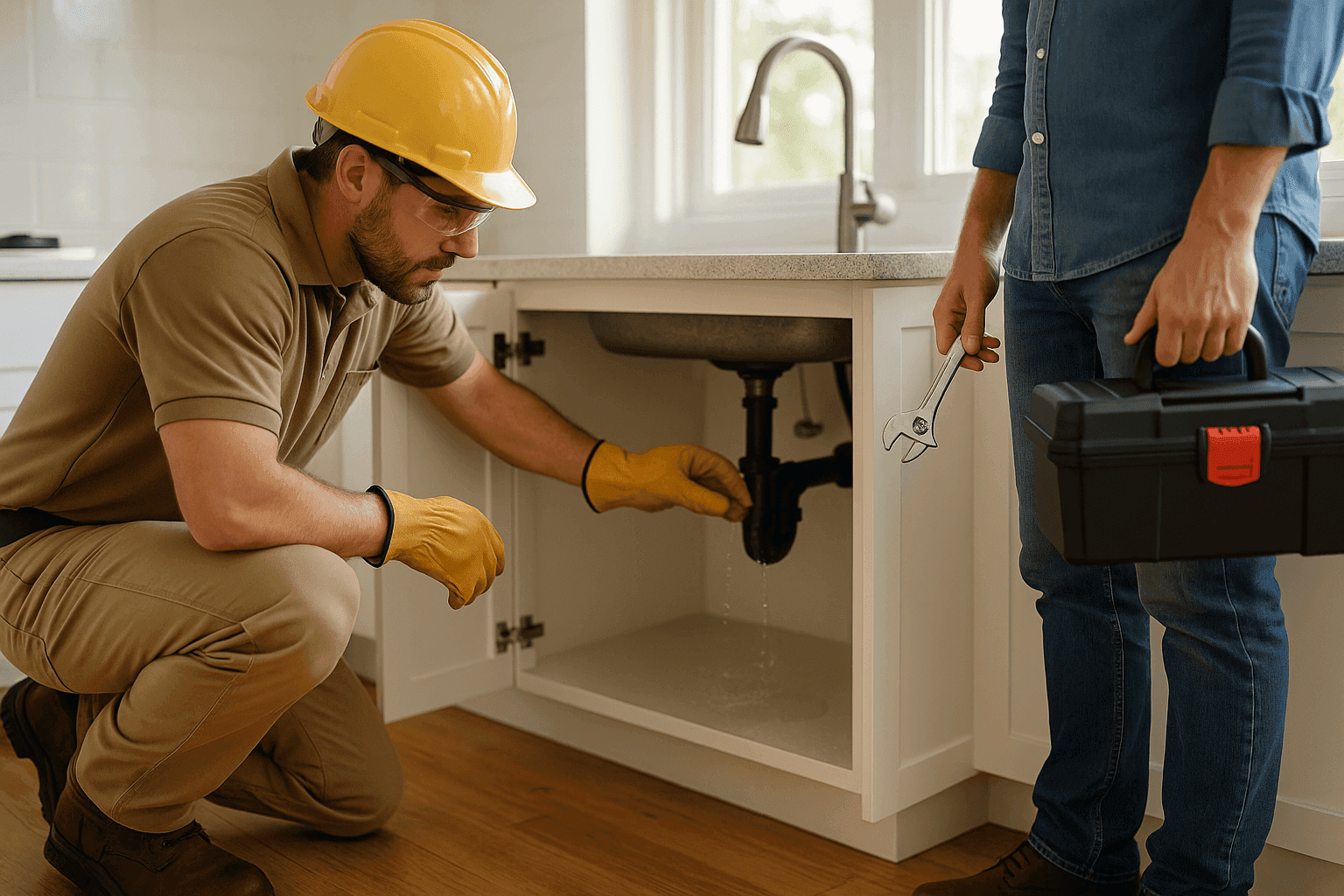
Accidents don’t wait for a good time. A leaky faucet, a stubborn lock, or a loose shelf can pop up on a busy Monday morning or right before your big weekend plans. You want things fixed, and fast—but is this a job you can tackle yourself, or do you need a pro?
At O'Shannon's Handyman Services, we’ve seen the quick wins and the near disasters. Let’s break down how to tell the difference, so you can keep your home or business running smoothly—without extra headaches.
Assessing Common Home Repairs 🛠️
Not every repair needs a toolbox full of gadgets or years of training. Some projects are perfect for a Saturday afternoon, while others are better left to the folks with specialized gear and know-how.
Repairs Suitable for DIY:
- Touch-up painting or repainting a small room
- Hanging pictures or simple shelves
- Replacing cabinet hardware
- Assembling flat-pack furniture
- Tightening loose handles or hinges
- Caulking around the tub or windows
Best Left to a Handyman or Licensed Professional:
- Electrical repairs (outlets, switches, wiring)
- Plumbing issues (leaks, pipe replacements)
- Lock repairs or rekeying (especially for security)
- Appliance installation (especially gas or hardwired units)
- Flooring repairs and tile installation
- Structural projects (walls, decks, fences)
- Drywall repair involving large holes or water damage
Think of it this way: If the repair could affect your safety, the building’s structure, or requires a permit, call a professional.
Risks of DIY: What Can Go Wrong
DIY can save money, but sometimes it’s like walking a tightrope without a net. One wrong step, and you’re facing bigger bills or real hazards.
Common Pitfalls:
- Safety hazards: Electric shock, water leaks, falls from ladders.
- Hidden damage: Covering up a problem instead of fixing the source.
- Code violations: Electrical and plumbing work often must meet local or national codes.
- Expensive mistakes: A botched repair can mean hiring a handyman to fix both the original problem and the new mess.
According to the National Fire Protection Association, improper electrical work is a leading cause of residential fires. The International Code Council recommends hiring certified professionals for electrical, plumbing, and structural work.
Signs You Need a Pro
Some repairs wave red flags—don’t ignore them.
- You don’t have the right tools: If the fix calls for more than a screwdriver and a level, think twice.
- Instructions don’t make sense: Confused by the how-to video? That’s a sign to step back.
- You’ve tried, and it got worse: Sometimes, the “quick fix” turns into a bigger headache.
- It affects your safety or security: Locks, smoke detectors, electrical issues—don’t gamble.
- You’re dealing with persistent leaks or water damage: Mold and rot can set in quickly.
For business owners and property managers, downtime means lost revenue. Don’t risk it—call in a handyman with commercial experience.
Cost & Time Considerations
DIY can seem less expensive upfront. But factor in your time, the cost of tools and materials, and the risk of a mistake.
DIY:
- Lower materials cost, but your time is valuable
- No labor charge, but must buy or rent tools
- If mistakes happen, repairs may cost double
Handyman:
- Pay for labor, but usually a faster, neater job
- Professionals bring specialized tools
- Proper repairs prevent future problems
In the end, a handyman often saves money by getting it right the first time.
How to Choose the Right Handyman 🧰
It’s more than just picking a name from a list. Here’s what to look for:
- Licenses and certifications: Ask if the handyman is licensed for specialized work (especially electrical or plumbing).
- Insurance: Protects you and the handyman in case of accidents.
- Reviews and references: Ask for recent feedback from similar jobs.
- Scope of services: Make sure the handyman handles your specific repair (e.g., “lock repairs near you” or “garage organization”).
- Clear estimates: Get a detailed quote—no surprises later.
For commercial properties, ask about experience with business compliance and after-hours repairs.
Practical Tips for Home and Business Owners
- Know your limits: If you feel uneasy, call a pro.
- Keep a basic toolkit: Hammer, screwdrivers, pliers, tape measure, and safety gear.
- Regular maintenance: Prevent small issues from becoming big ones.
- Schedule seasonal checkups: Weatherstripping, gutter cleaning, and pressure washing keep your property in shape.
Refer to the National Safety Council for more advice on safe DIY practices.
FAQ: Common Questions
Is it safe to do my own electrical repairs?
No. Electrical work is dangerous and regulated. Hire a licensed professional.
How do I know if a handyman is qualified?
Ask about licenses, insurance, and recent similar jobs.
What’s the most common DIY mistake?
Not prepping surfaces or using the wrong materials—especially for painting, caulking, and tile work.
Can commercial repairs be handled by a handyman?
Yes, as long as the handyman has experience with business properties and the right insurance.
Final Thoughts
Your home or business is more than a building—it’s where life happens. Whether you’re hanging a picture or tackling a leaky pipe, knowing when to DIY and when to call a handyman can save you time, money, and stress.
O'Shannon's Handyman Services is here to help with everything from lock repairs near you to full-scale home improvement projects. Don’t let a small problem turn into a big headache.
Call O'Shannon's Handyman Services now — or reach us anytime at 844-484-9469 .