Weatherproofing Your Property: Handyman Tips for Every Season
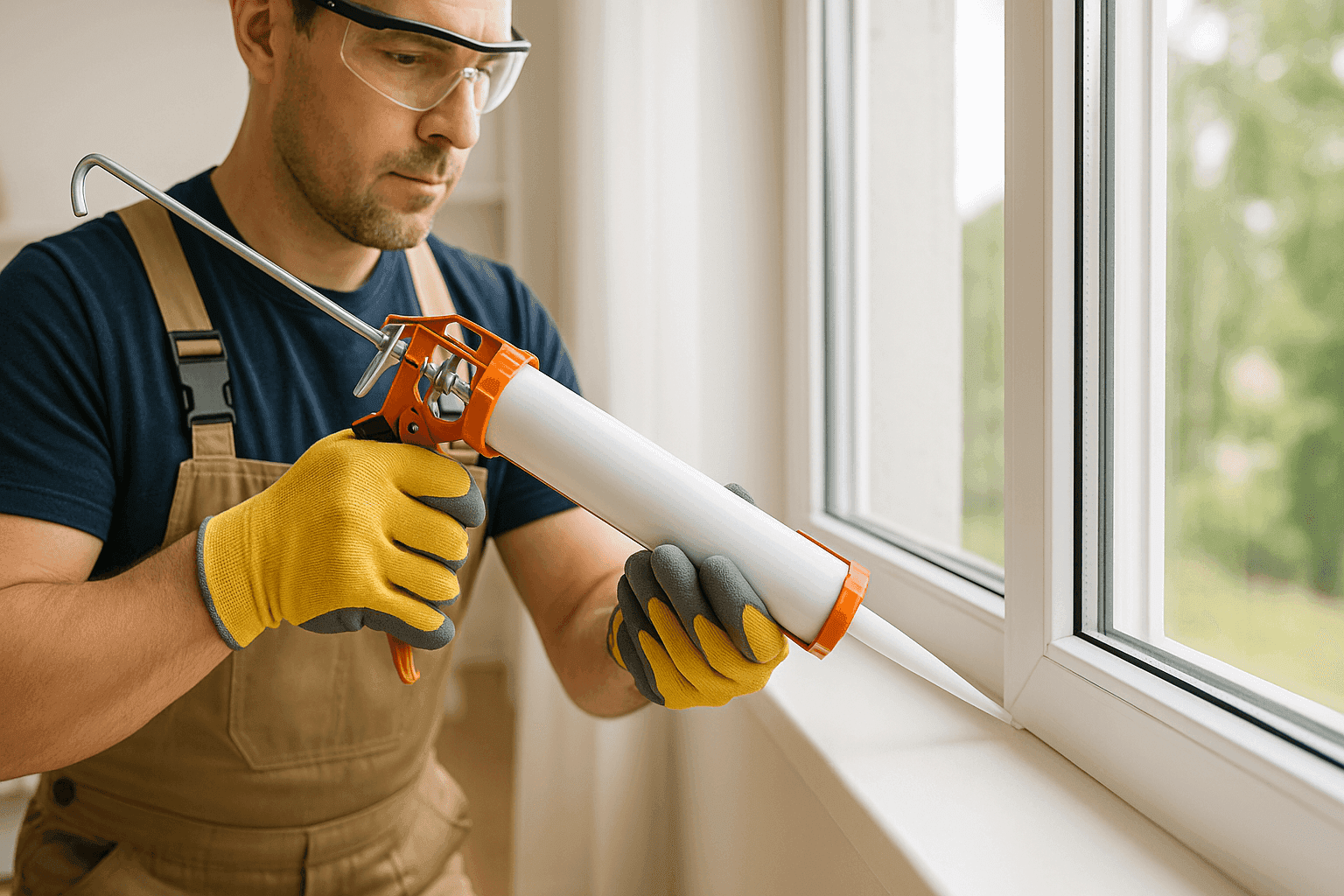
Is your property ready for whatever the sky throws at it? Whether you’re bracing for spring rains or winter chills, weather can be relentless. Drafts sneak through cracks, water finds the tiniest gap, and before you know it, comfort and property value slip away.
At O'Shannon's Handyman Services, we’ve seen it all—soggy carpets after a summer storm, ice-damaged pipes when cold snaps hit, and energy bills that creep higher with every draft. Weatherproofing isn’t just a chore; it’s the armor your property needs to stand strong, season after season.
Why Weatherproofing Matters 🌦️
Weather can be a silent thief. It steals warmth in the winter, cool air in the summer, and can nibble away at your property’s value with unseen leaks and drafts. Even a tiny gap around a window or door can let in moisture, invite mold, or send your heating and cooling costs soaring.
Benefits of proper weatherproofing:
- Increased comfort: No more chilly drafts or muggy rooms.
- Lower energy bills: Sealing up leaks means your HVAC system works less.
- Protection from damage: Prevents water intrusion, rot, mold, and structural headaches.
- Boosts property value: A well-maintained, weatherproofed building is worth more.
Weather doesn’t discriminate—residential homes and commercial spaces alike need protection. And while a fresh coat of paint or new caulking might seem small, these details add up to big results.
Spring/Summer Prep: Rain & Heat
When spring arrives, so do heavy rains and rising temperatures. Here’s how to get ahead:
1. Inspect and Clean Gutters
- Remove leaves, twigs, and debris.
- Check for sagging or leaks.
- Make sure downspouts direct water away from foundations.
2. Install or Replace Weatherstripping
- Check around doors and windows. If you feel a draft, it’s time for new weatherstripping.
- Use materials rated for your climate and high-traffic areas.
3. Seal Gaps and Cracks
- Examine exterior siding, windows, and doors.
- Use high-quality caulking and sealant.
- Pay attention to areas around plumbing and electrical entrances.
4. Prep for Heat
- Use blinds or curtains to block direct sunlight.
- Consider installing reflective window film.
- Insulate attic spaces to keep cool air inside.
5. Protect Outdoor Fixtures
- Check exterior light fixtures and outlets for water resistance.
- Tighten or replace loose hardware.
6. Tidy Up the Yard
- Trim back shrubs and trees to keep branches from scraping siding or roofs.
- Store outdoor furniture or equipment securely.
Small steps, big difference. You’ll keep water where it belongs and comfort where you want it.
Fall/Winter Prep: Cold & Storms ❄️
As temperatures drop, your property faces new threats: freezing pipes, wind-driven rain, and icy drafts. Here’s your cold-season checklist:
1. Insulate Exposed Pipes
- Use foam pipe insulation in basements, crawl spaces, and garages.
- Pay special attention to pipes near exterior walls.
2. Check and Upgrade Insulation
- Inspect attic, basement, and wall insulation.
- Add more where needed, following local building codes.
3. Install Door Sweeps and Storm Doors
- Prevent cold air from entering at the base of doors.
- Storm doors add another layer of protection.
4. Seal Foundation Cracks
- Look for gaps in the foundation and fill with appropriate sealant.
- Keeps rodents and cold air out.
5. Test and Replace Weatherstripping
- Fall is the time to double-check all windows and doors.
- Replace brittle or worn material.
6. Prepare Outdoor Faucets and Sprinklers
- Shut off and drain exterior faucets.
- Blow out sprinkler systems to avoid burst pipes.
7. Gutters, Again
- Remove autumn leaves—clogged gutters mean ice dams and roof leaks.
8. Protect Entry Points
- Check garage doors, basement windows, and crawl space vents for air leaks.
Stay ahead of the freeze, and your property will weather the worst with ease.
DIY vs. Professional Weatherproofing
Should you grab your toolkit or call in a pro? Some tasks are perfect for a Saturday project; others need specialized skills and tools.
When DIY Works
- Replacing basic weatherstripping on doors and windows.
- Cleaning gutters and downspouts.
- Caulking small cracks around window frames.
If you’re comfortable on a ladder and handy with a caulk gun, these jobs are manageable.
When to Call a Handyman
- Major repairs: Large foundation cracks, rotted wood, or sagging gutters.
- Electrical or plumbing work: Code compliance and safety are key.
- Large-scale caulking or sealing: Multi-story homes or commercial buildings.
- Insulation upgrades: Especially in hard-to-reach areas or if you’re unsure of material requirements.
Sometimes, hiring a handyman is the safer, more efficient choice. A professional brings experience, has the right tools, and ensures repairs meet local safety codes (see: International Residential Code, National Electrical Code).
Common Mistakes to Avoid 🛑
Weatherproofing is about details. Overlook the small stuff, and your efforts could unravel fast.
- Using cheap materials: Bargain-bin caulk or weatherstripping often fails early.
- Ignoring attic or crawl space insulation: Out of sight, but never out of mind for drafts and energy loss.
- Not checking behind appliances: Gaps around stoves, fridges, and washers are common culprits.
- Skipping annual inspections: Weatherproofing isn’t “set it and forget it.”
- Overusing spray foam: It’s great for some gaps, but can trap moisture in the wrong places.
Consult official resources like the U.S. Department of Energy’s guidelines for weatherization best practices.
How to Choose Durable Materials
Durability pays for itself. Look for:
- Weatherstripping rated for your climate and door type.
- Exterior caulks labeled for “flexible” use, so they don’t crack as temperatures shift.
- Pipe insulation that meets ASTM standards.
- Paints and sealants with high UV and water resistance.
Check labels for compliance with ANSI or ASTM standards. Cutting corners now can mean costly repairs later.
Maintaining Compliance with Safety Standards
Safety isn’t just about avoiding injury; it’s about protecting your investment. Handymen should always:
- Follow local building codes and manufacturer instructions.
- Use GFCI outlets in damp locations.
- Ensure smoke and carbon monoxide detectors are installed and working.
- Secure ladders and wear proper safety gear.
If you’re tackling a project yourself, the National Fire Protection Association (NFPA) and Occupational Safety and Health Administration (OSHA) are valuable sources for safe work practices.
Real-World Weatherproofing: A Year in the Life
Imagine your property as a ship. Each season, new storms test your hull. Spring brings showers and leaks. Summer scorches decks. Fall dumps leaves, blocking drains. Winter freezes the lines.
With regular handyman visits—simple gutter cleaning, timely caulking, smart insulation upgrades—your property stays afloat, season after season. And when storms hit unexpectedly, you’re ready.
Practical Tips for Every Property
- Check weatherstripping annually—replace at the first sign of wear.
- Seal exterior gaps before rainy season.
- Clean gutters twice a year—after leaves fall and before heavy rains.
- Insulate all exposed pipes before winter’s first freeze.
- Use quality caulk—apply on dry days for best results.
- Inspect attic and crawl space insulation regularly.
- Test sump pumps before the rainy season.
These small tasks are like regular oil changes for your car—skip them, and the risk multiplies.
FAQ: Weatherproofing with a Handyman
Q: How often should I check weatherstripping and caulking?
A: Inspect both twice a year—spring and fall are ideal. Replace weatherstripping if you feel drafts or see daylight at seams.
Q: What’s the best way to protect pipes from freezing?
A: Insulate with foam sleeves and keep cabinet doors open during extreme cold. In severe weather, let faucets drip overnight.
Q: Are there building codes for weatherproofing?
A: Yes. The International Residential Code, National Electrical Code, and local ordinances set minimum standards for insulation, electrical outlets, and more.
Q: Can weatherproofing help with noise, too?
A: Absolutely! Sealing up gaps and adding insulation also reduces outside noise.
When to Call for Weatherproofing Help
If you spot:
- Large or persistent leaks
- Sagging gutters or water pooling near the foundation
- Drafts you can’t locate or fix
- Mold, mildew, or water stains inside
Don’t wait. The sooner you address the issue, the less damage you’ll face.
Weatherproofing for Every Season: The O'Shannon’s Difference
Every property is unique. Maybe your home faces a busy street, or your business sits on a windy hill. We tailor our handyman services—Lock Repairs near you, weatherstripping, gutter cleaning, emergency repairs, and more—to fit your needs, every season.
Don’t let weather take the upper hand. With the right steps and timely help, your property can stay dry, comfortable, and protected—no matter what the forecast brings.
Call O'Shannon's Handyman Services now — or reach us anytime at 844-484-9469 .